Our Team
-
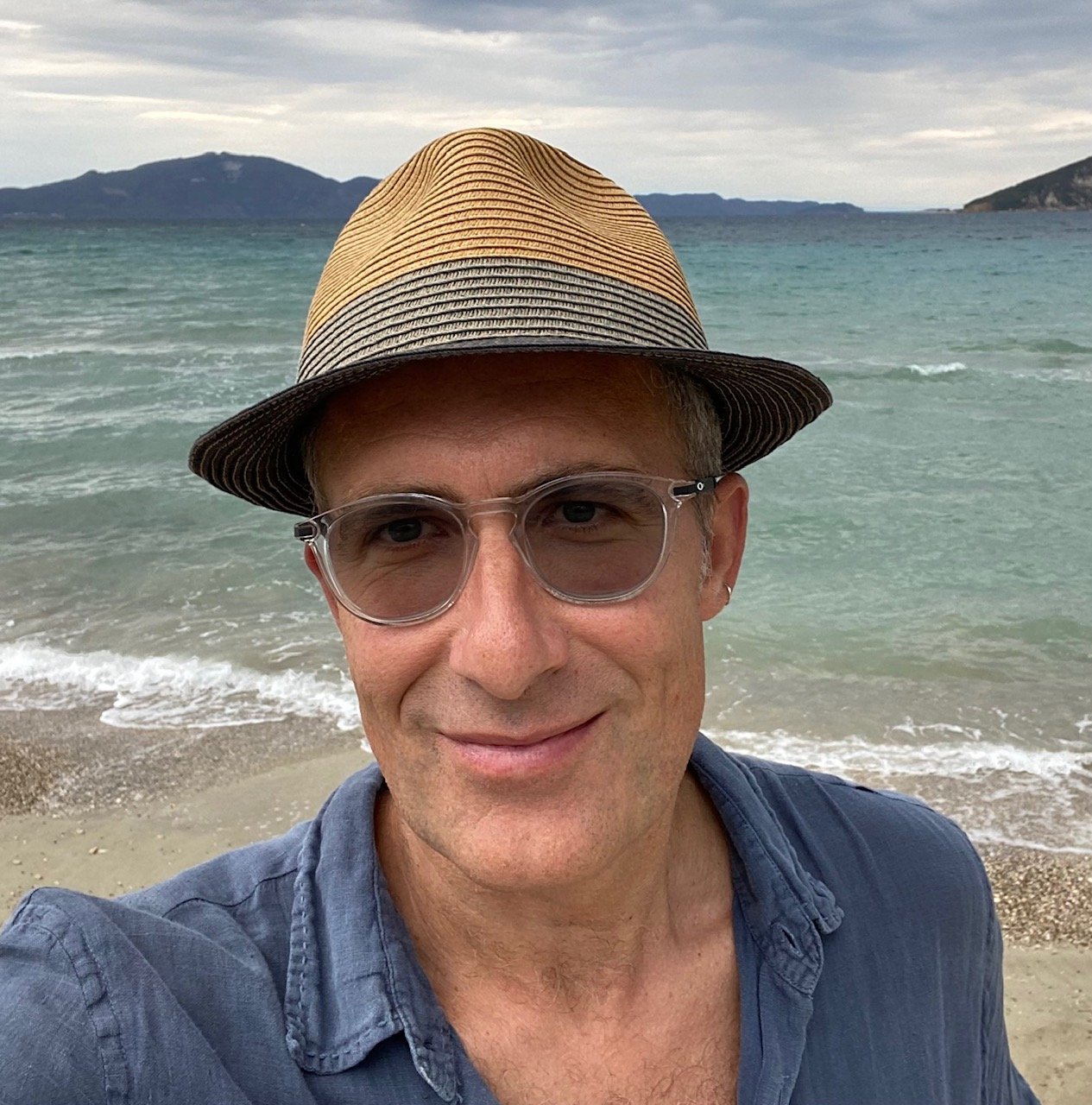
Stefano Mariani, PI
I love fish and the sea; but I am easily attracted by most wildlife and fascinated by how biodiversity arises and evolves. An ecologist at heart, I was serendipitously captured by the wonders of DNA technology and I am now embracing the many ways these tools can teach us how populations and communities function, and how they can ultimately contribute to ecosystem conservation and management.
-
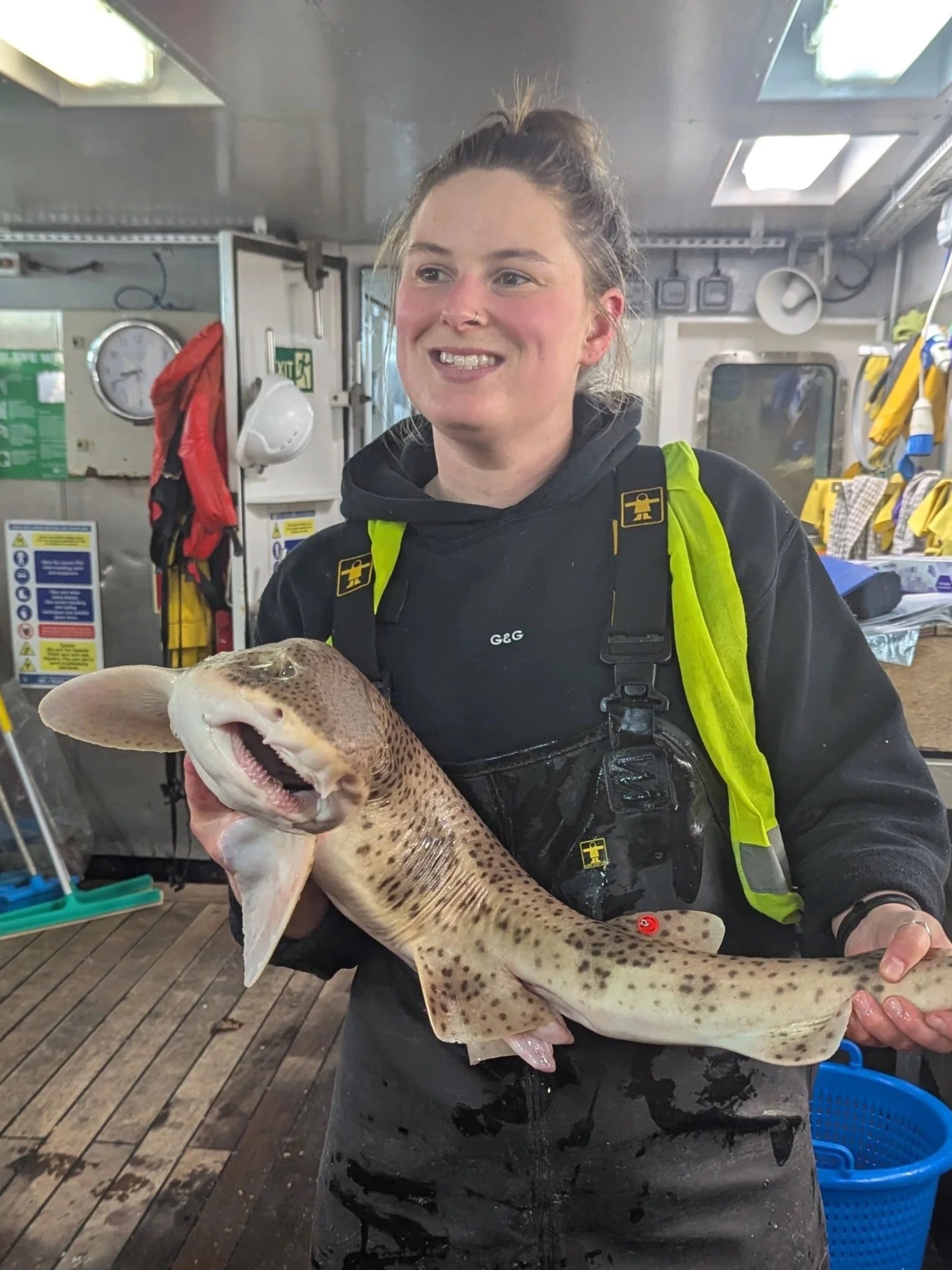
Rosie Dowell, PostDoc
I’m a postdoctoral researcher investigating how we can use eDNA to help us build aquatic food webs and how they compare to trophic networks created using traditional methods. I first began working with eDNA during my master’s and went on to use it throughout my PhD, focussed on tropical marine biodiversity and natural samplers. Although the WebDNA project focusses on less tropical locations, I’m always happy to be in the field, out on a boat or under the water and excited to showcase how we can explore aquatic ecosystems and their functioning using eDNA! @email
-
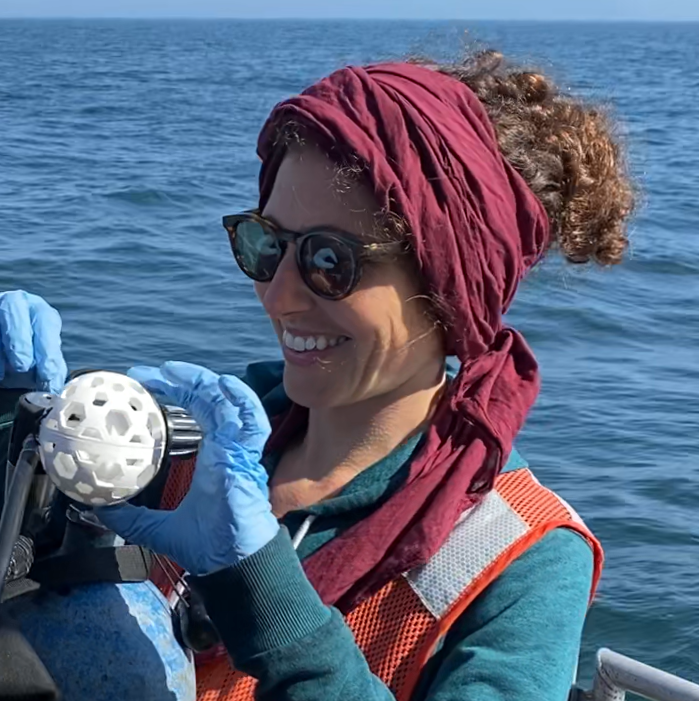
Giulia Maiello, PostDoc
I’m a postdoctoral researcher studying the astonishing biodiversity of Californian kelp forests using eDNA-based methods. My passion for eDNA began during my PhD, where I coupled the approach with fisheries assessment and developed the metaprobe - a simple, effective eDNA sampling tool now widely used aboard fishing vessels and beyond. My love for the oceans extends beyond science: I love diving and drawing all the fish and underwater creatures that I encounter. If you’d like to learn more or have questions, feel free to reach out and connect! @email
-
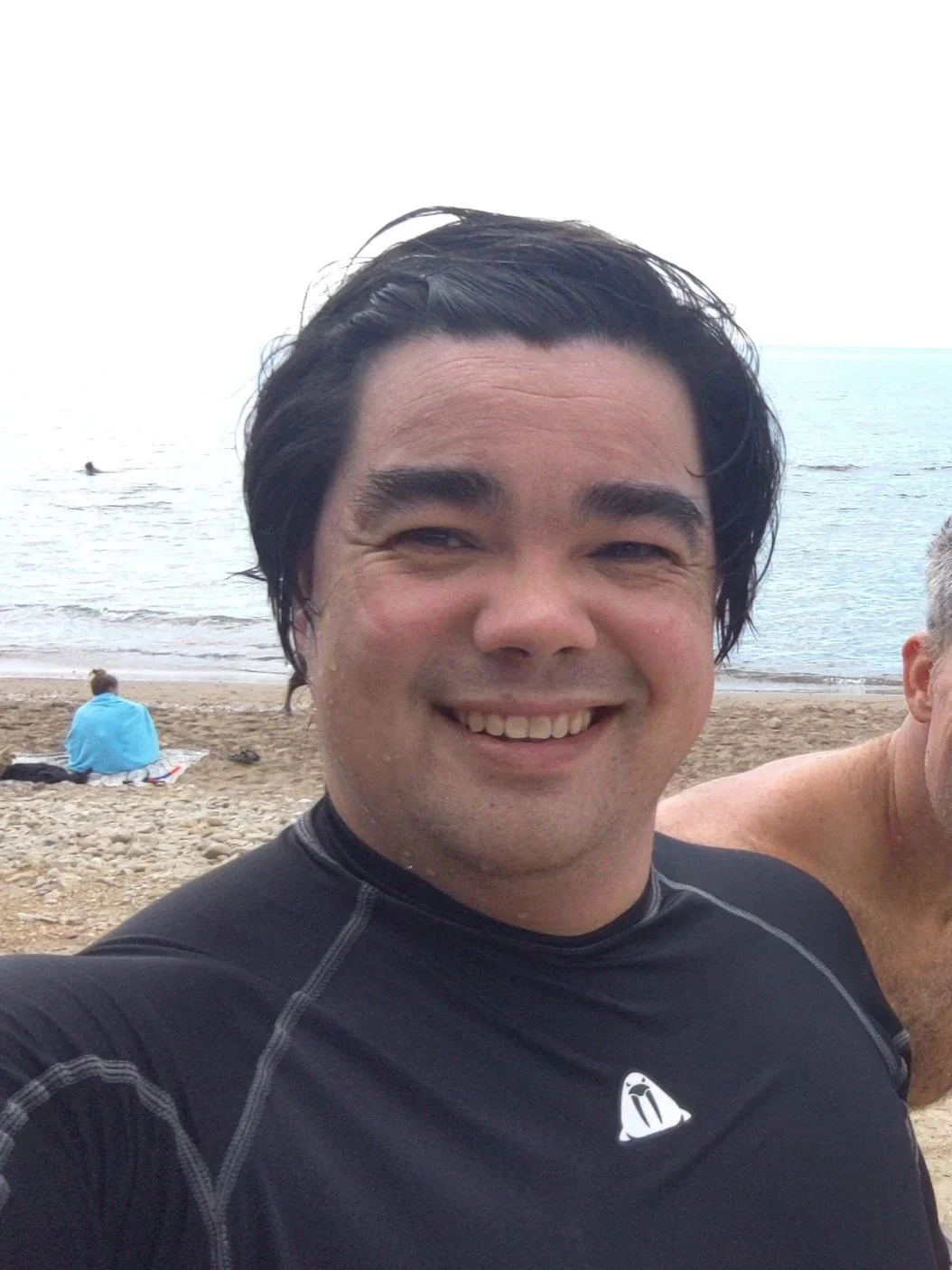
Peter Shum, Senior Research Officer
Hello! I am the current number 3 in the MarianiLab coauthor rankings! When I am not running after two little kids, I am discovering better ways to analyse DNA collected from the natural world. My work applies molecular and genomic tools to understand and protect biodiversity in the ocean and on land, from eDNA for applied conservation to population genomics in fish, reptiles, and primates. You can usually find me playing with sequencing instruments or at the command line. I also lead hands-on research training development at Liverpool John Moores University (LJMU). @email
-
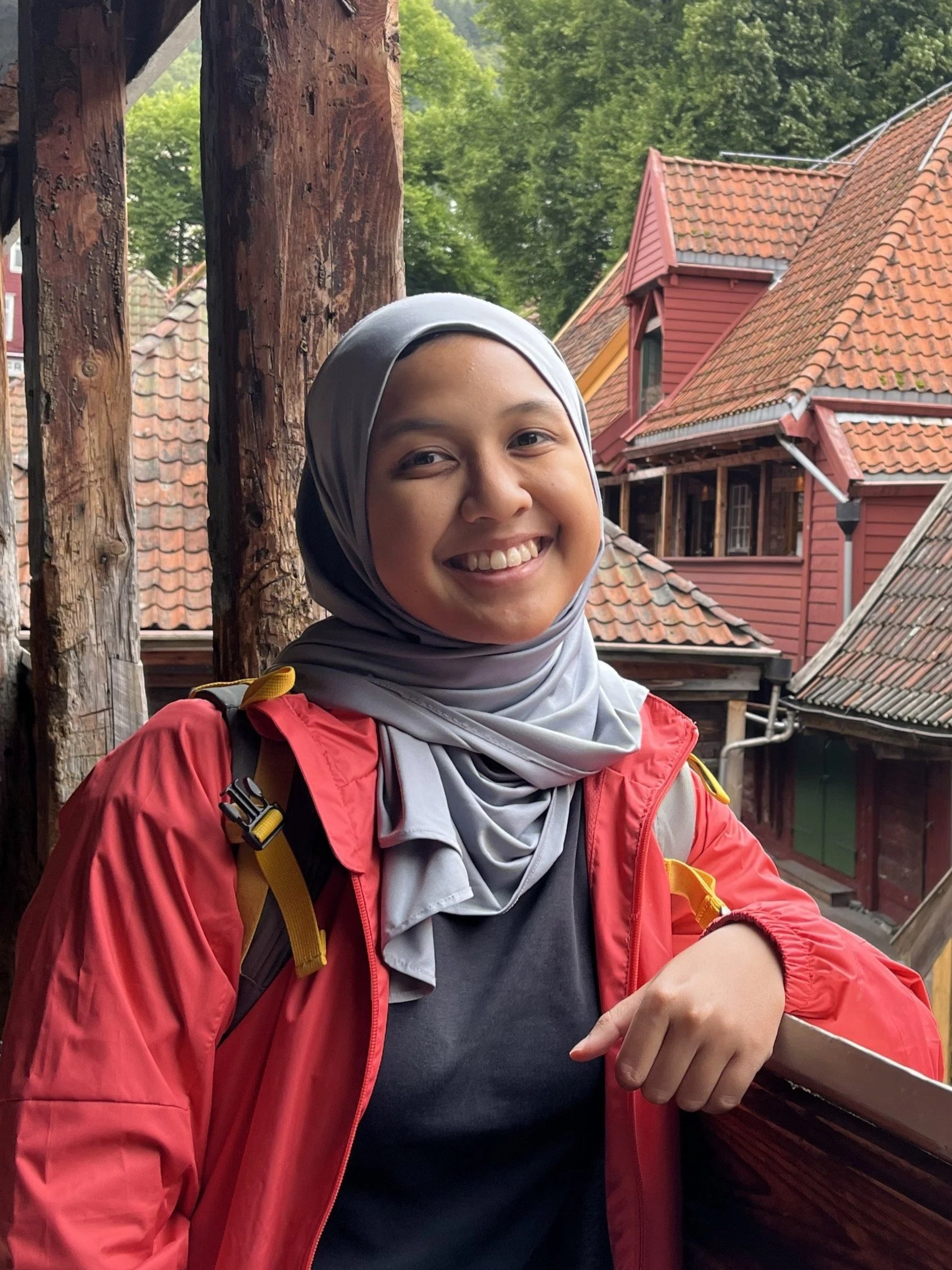
Nadia Maula, PhD student
My research journey began with a focus on tropical marine ecosystems, using diverse approaches, including molecular techniques. In recent years, I have concentrated on the biology and ecology of elasmobranchs (sharks and rays). For my PhD, I am bridging these interests by developing molecular tools to monitor the fisheries and trade of these vulnerable and endangered species. This work is part of the Indonesia Shark & Ray Trade Project. @email
-
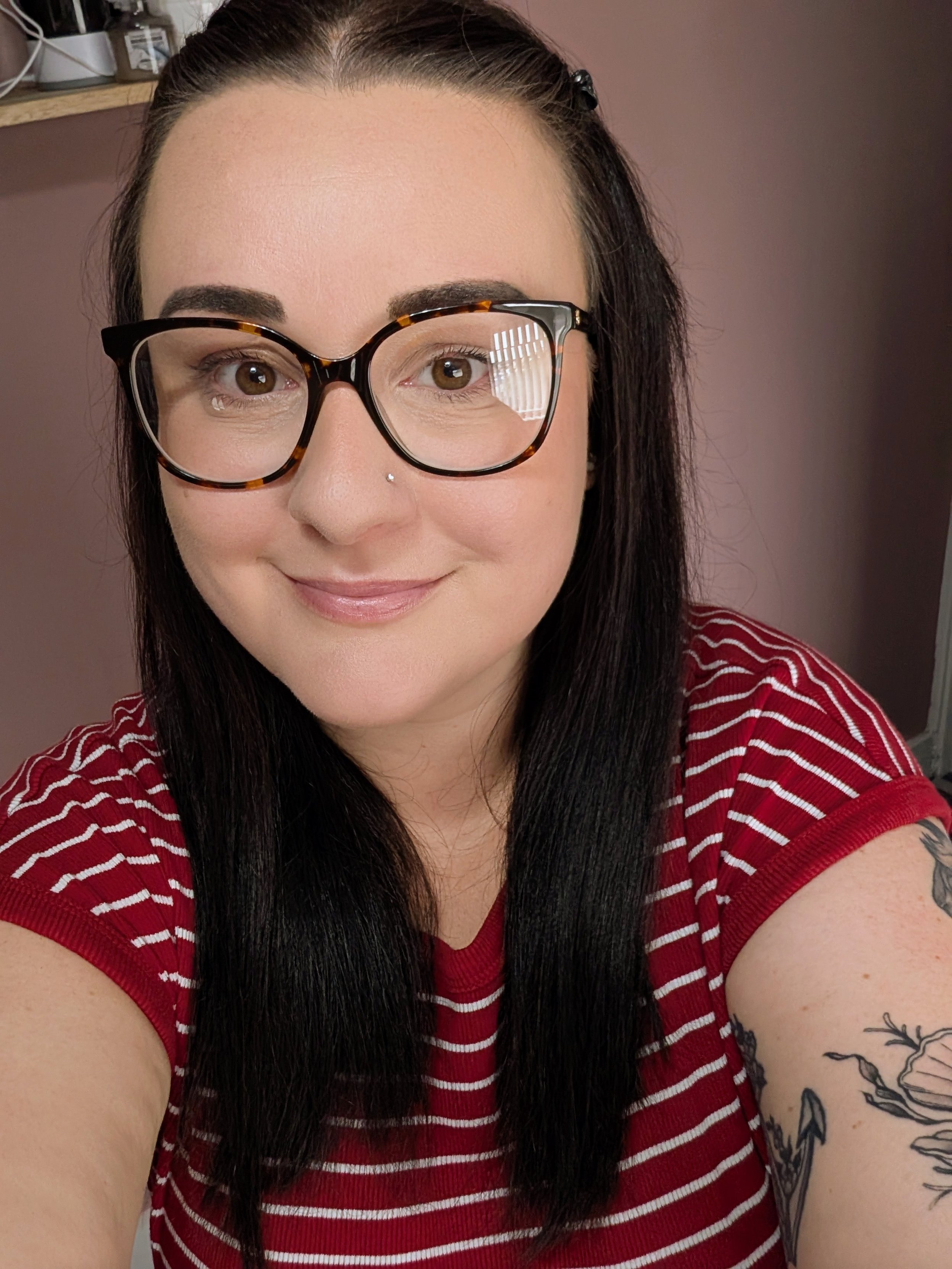
Sarah Rowlands, PhD candidate
I am a Senior Research Technician at LJMU with over 10 years’ experience working in both chemistry and biology labs. My interest in Wildlife Forensics has led me to undertake an exciting PhD project with the Mariani Lab, investigating the traceability of cat food products from across the globe to assess the impact they have on our ecosystems (find more info about the project in the Seafood Diversity section). @email
-
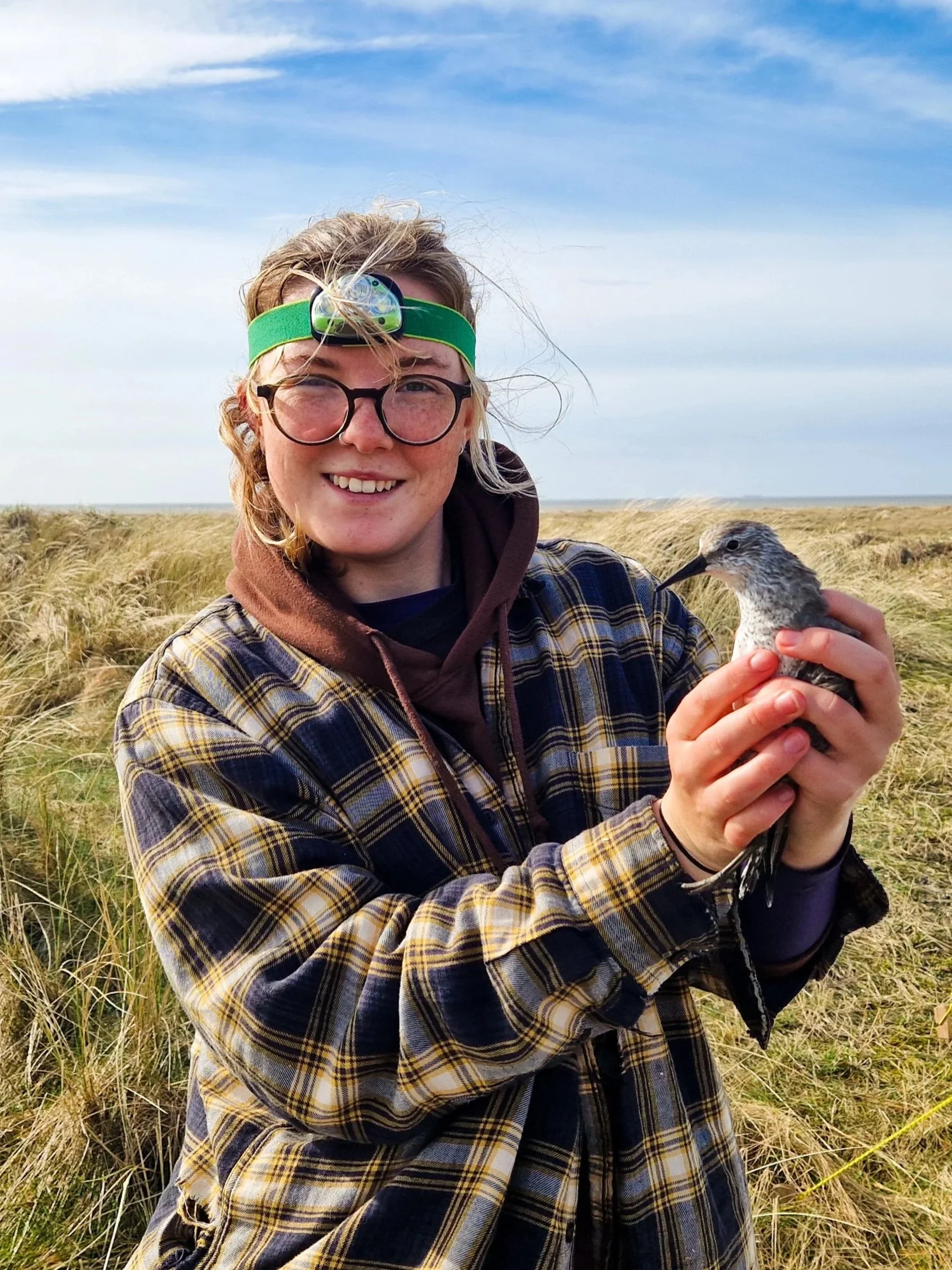
Isla Botting, PhD student
I'm a PhD candidate at LJMU, and the sole bird researcher of the lab group! While I am primarily a behavioural ecologist, I have been delving into understanding the diet of my study species, the islandica red knot, using diet DNA metabarcoding. I aim to link population and individual-level diet to the overwintering movements of the knot. Alongside collecting far too many faecal samples, I am also a bird ringer, and frequently travel to the Dutch Wadden Sea and the Wash to catch and monitor the knot with a tracking system known as ATLAS. @email
-
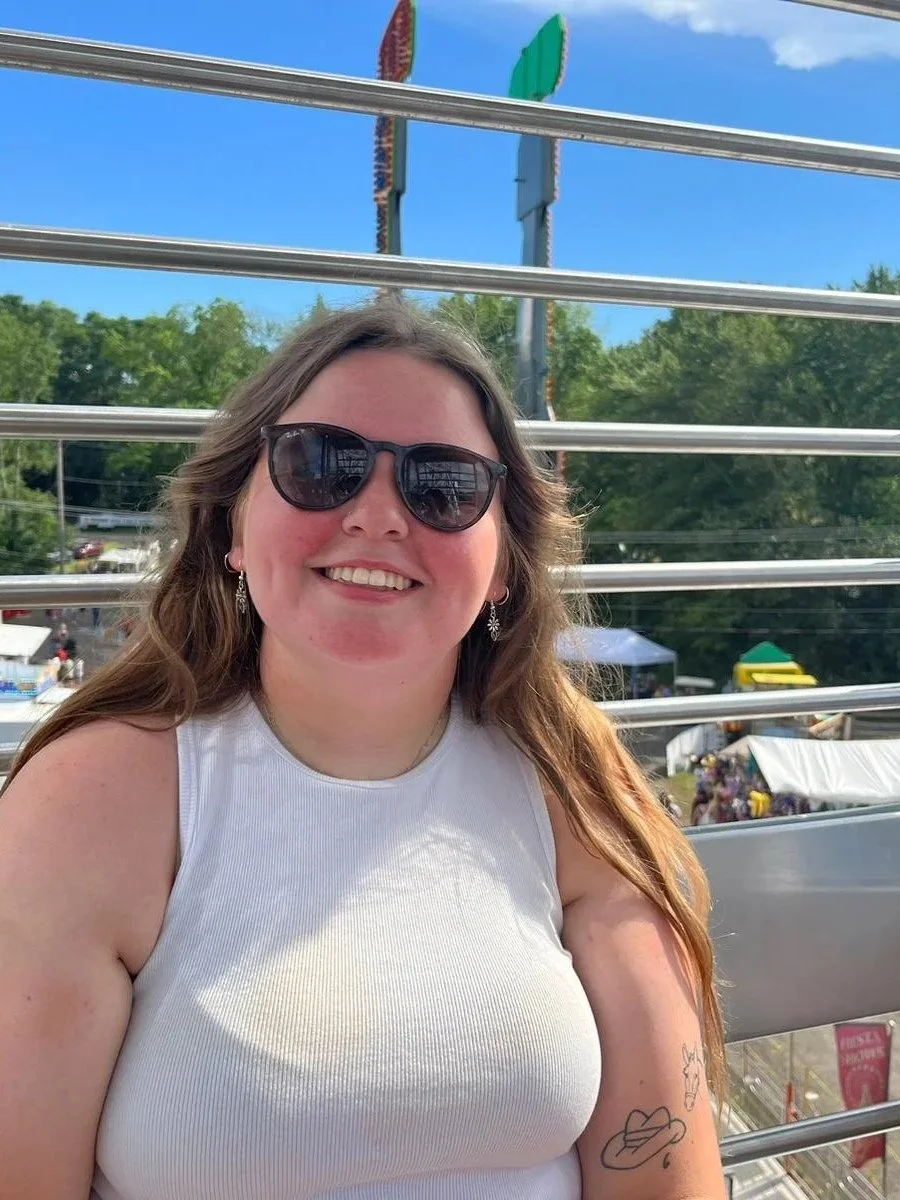
Skye Crawford, PhD student
I’m a PhD researcher with a background in geography and a strong interest in how invasive species reshape aquatic ecosystems and the socio-ecological systems that depend on them. My research focuses on developing evidence-led tools to support the detection, assessment, and management of aquatic invasive species across both marine and freshwater environments. My two case studies are zebra mussels in Northern Ireland’s inland waters and invasive lionfish in the Caribbean. I use environmental DNA (eDNA), trophic analysis, and spatial approaches to understand how invasions unfold and how we can manage them. I’m particularly interested in research that moves beyond describing problems and towards making management decisions easier. @email
-
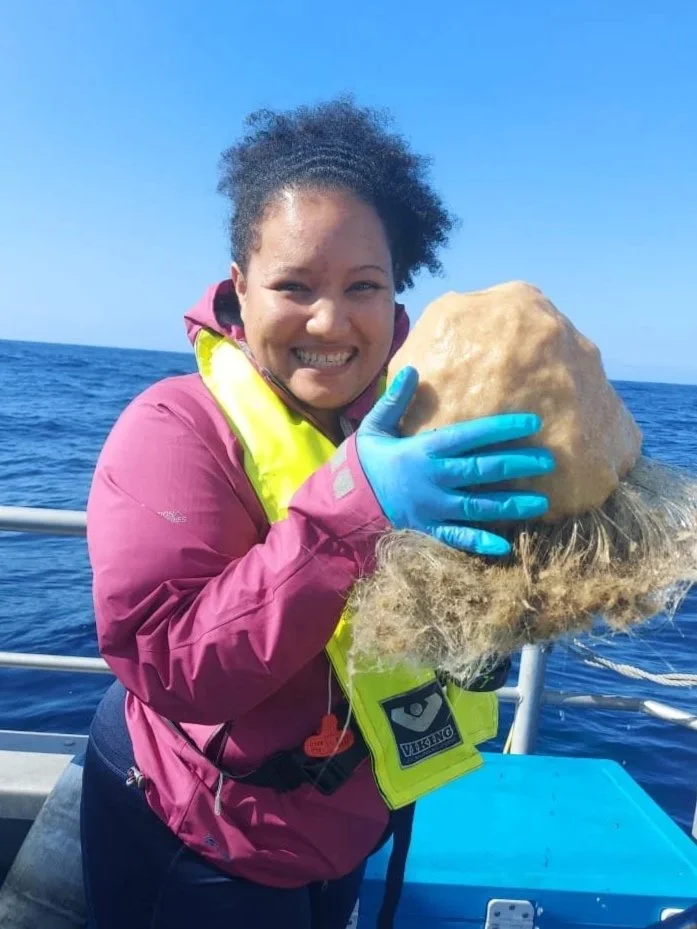
Jody-Carynn Oliver, PhD candidate, Rhodes University
I am a DNA enthusiast, with a love for the ocean. I am a PhD candidate at Rhodes University, South Africa, dedicated to improving marine conservation in South Africa through innovative genetic based tools. My research uses eDNA and nsDNA metabarcoding to assess teleost diversity and to monitor the iconic African coelacanth (Latimeria chalumnae) along South Africa’s eastern margin. My PhD also applies population genomics to study the connectivity of the critically endangered seventy‑four seabream (Polysteganus undulosus). My ambition is to support stronger ecosystem management, improve fisheries sustainability, towards long‑term food security for South Africa’s coastal communities. @email
-
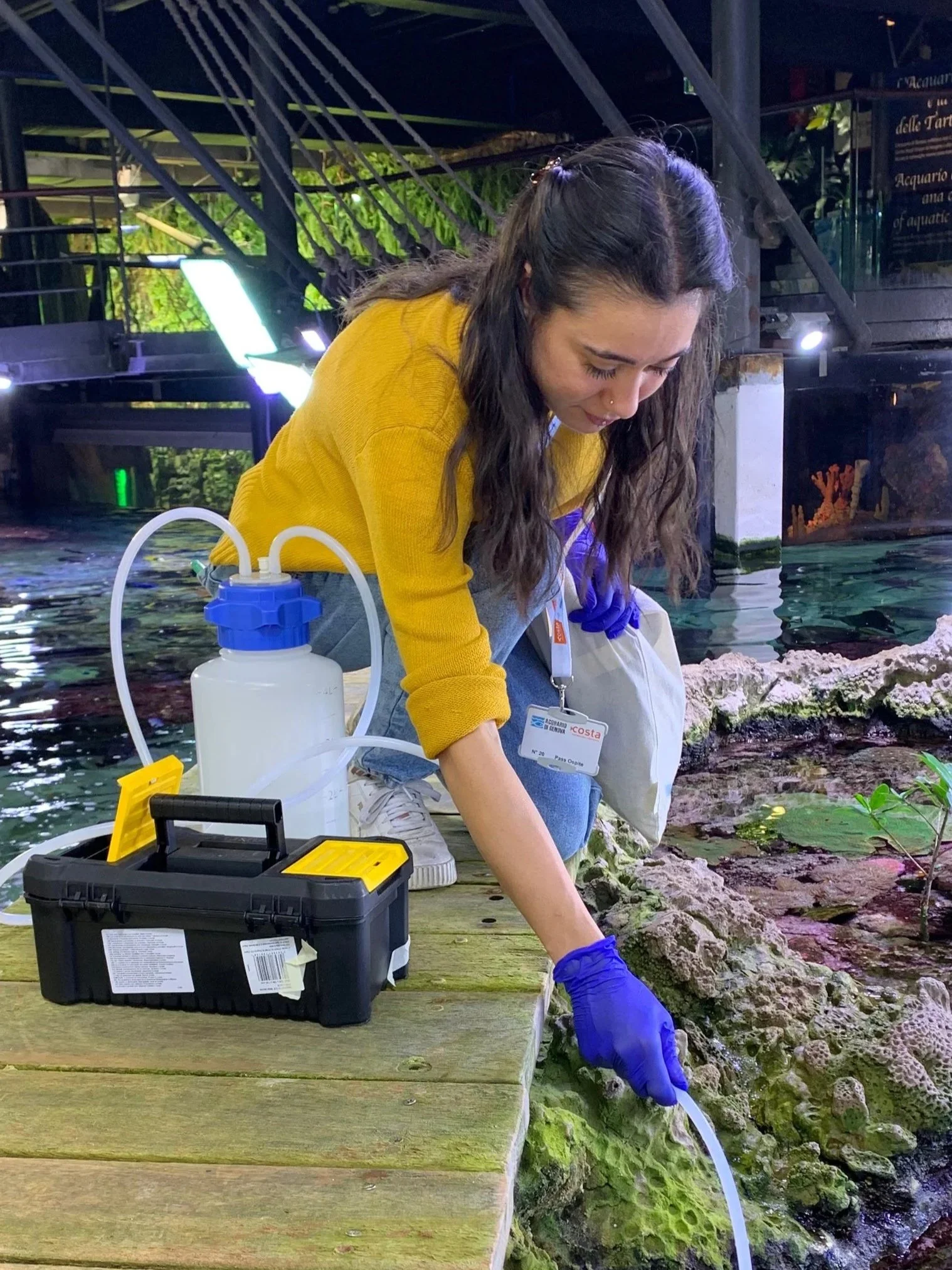
Martina Spiga, FishMed PhD student, Bologna
Hi! I'm a marine biologist and a PhD candidate at the University of Bologna, co-supervised by Stefano. My research project focuses on using eDNA metabarcoding to monitor elasmobranchs in the Mediterranean Sea. My work expands through the application of advanced molecular biology techniques to support marine animal conservation and studies of molecular morphology. Curiosity has always been a major driver in my life, and studying marine biodiversity still feels like living a childhood dream! If you want to know more, let’s connect! @email
-
Lorenzo Zacchetti, FishMed PhD student, Bologna
I am a PhD student at the CNR-IRBIM and the University of Bologna; my focus is on the study of the trophic ecology of coastal and deep-sea benthic organisms using a multidisciplinary approach. My research integrates traditional methods and innovative molecular tools, combining gut contents, stable isotope analysis, and DNA metabarcoding to explore intra- and inter-specific relationships and ecosystem functioning. My work also addresses the ecology of alien and invasive species in Mediterranean ecosystems, contributing to the assessment of their trophic role and potential impacts. @email
-
Martina Arcioni, PhD student, Open University
I have always been particularly fascinated by the interconnections among organisms and how they can shape marine ecosystems. My research focuses on the ecology of marine predators, with particular attention to the trophic interactions of elasmobranchs. Currently, for my PhD, I am characterising the ecology and resource use of sharks and rays in the bathyal environments of the Mediterranean. I am using techniques such as stomach content analysis and stable isotopes, while also employing exciting and innovative approaches such as the metabarcoding of faecal and gut DNA. @email
-
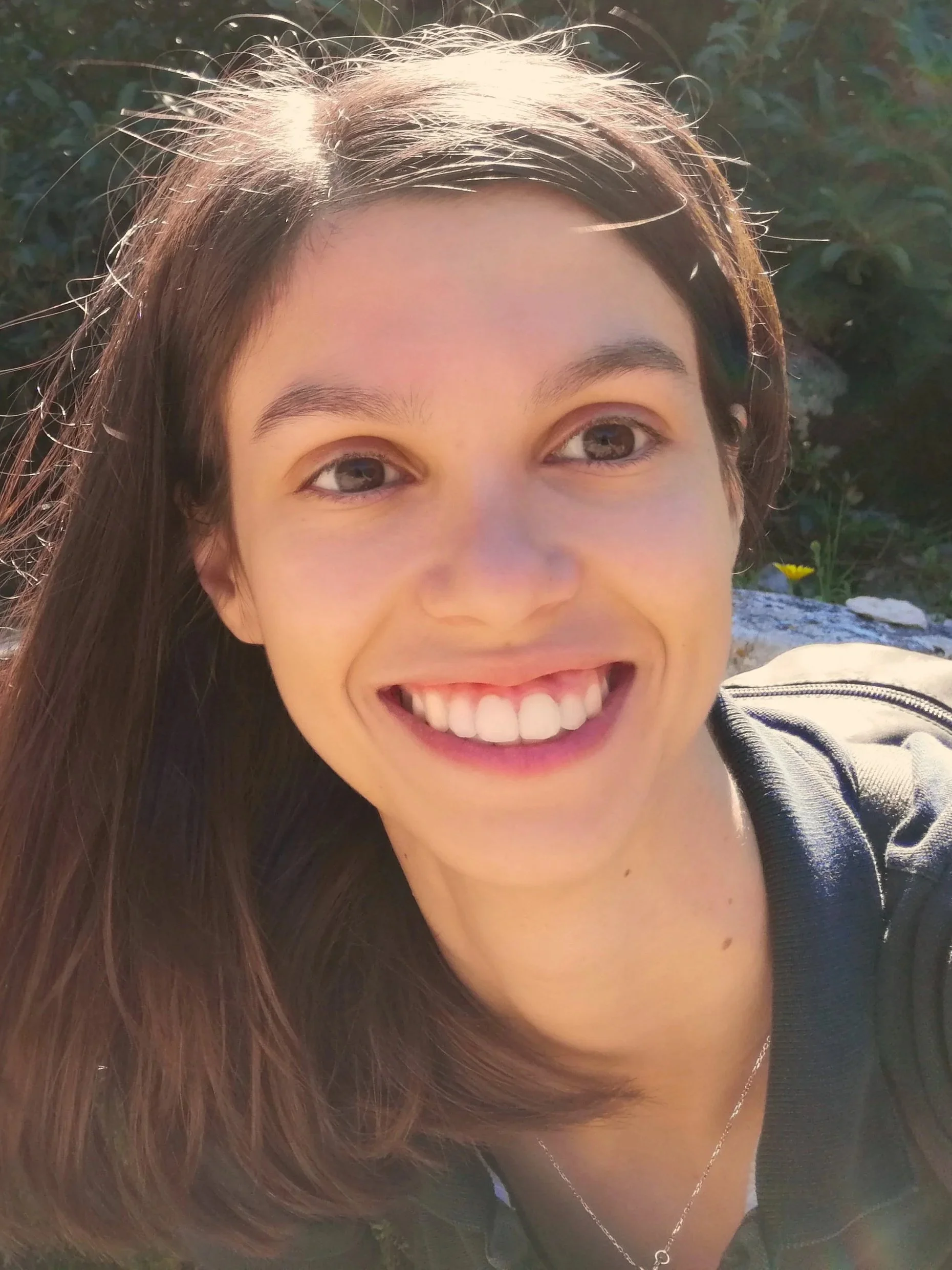
Maria Inês Silva, FCT PhD student, University of Lisbon
I’m a PhD student working on the applications of eDNA in the Portuguese purse-seine fisheries, with an emphasis on bycatch and discards. Water has memory, and I’m learning how to read it. My goal is to validate eDNA-based methodologies and optimise the necessary protocols to devise an identification system prototype for discarded species. Although my heart belongs to fisheries science, my curiosity swims far beyond the ocean. I have also been working with statistical and mechanistic models for mammals, birds and plants, and developed modelling pipelines to assess the impact of business activities on biodiversity. @email